
A Farmer’s Guide to Healthy & Profitable Birds
Broiler Basics Management

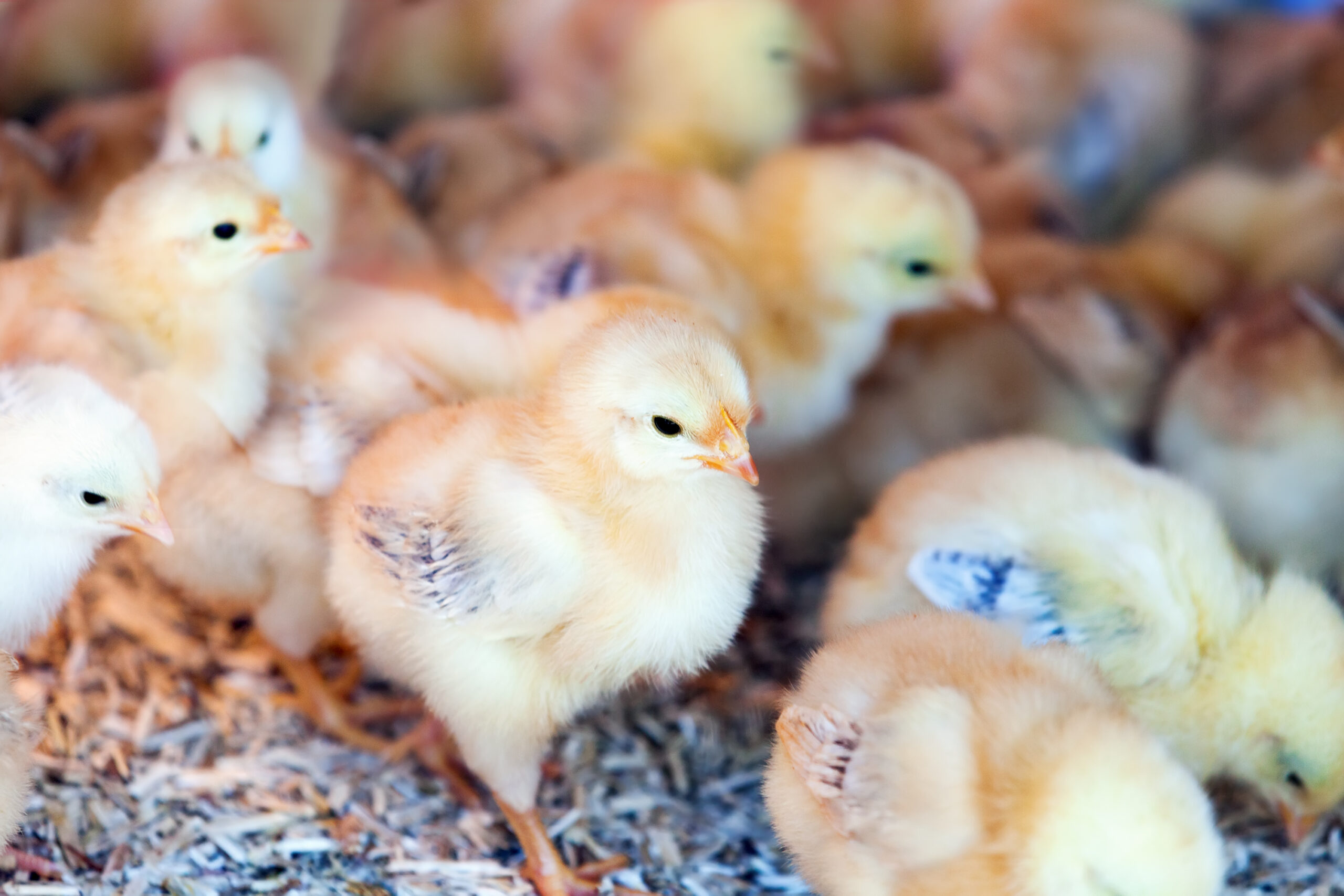
Raising broiler chickens can be a highly rewarding venture when done right. Whether you’re rearing a small flock or managing hundreds of birds, good management practices make the difference between average results and top-tier performance. Below are the key pillars of successful broiler management:

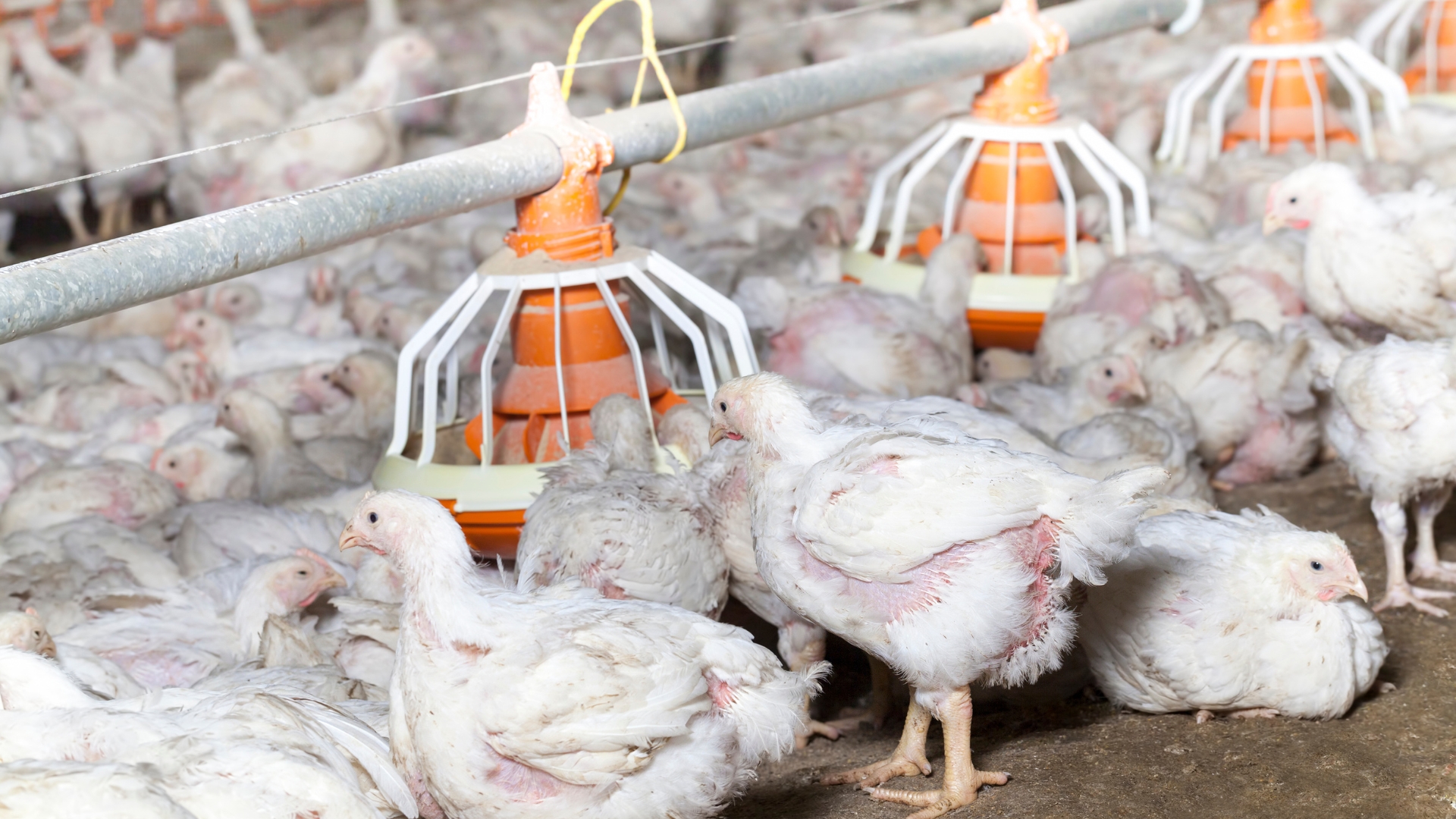
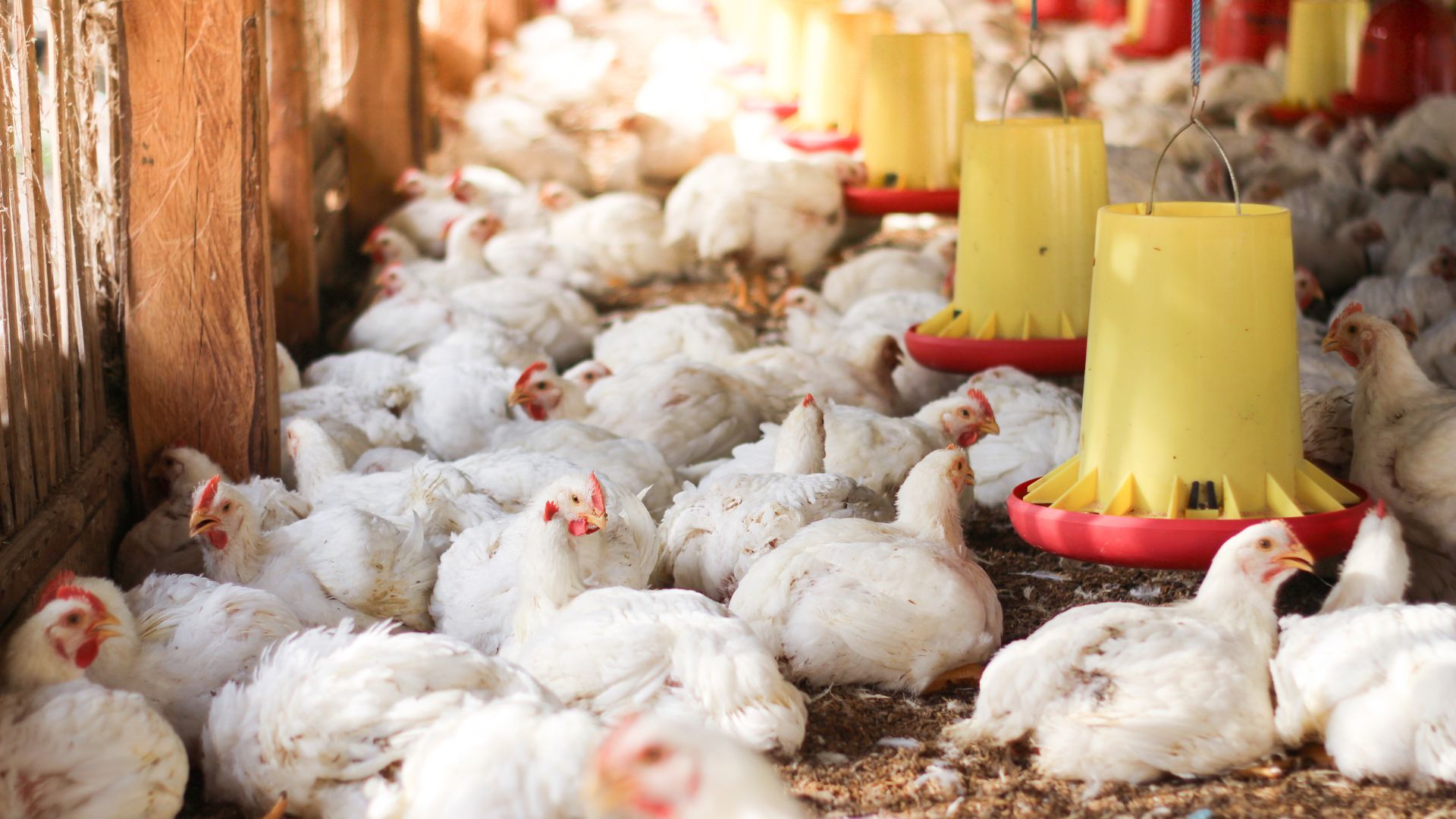
A good poultry house is the foundation of broiler success. Space: Allow at least 1 square foot per bird to prevent overcrowding. Ventilation: Ensure fresh air circulation to remove excess heat, moisture, and ammonia. Temperature: Week 1: 32–34°C Reduce gradually by 2–3°C weekly until 24°C is reached. Litter Management: Keep litter clean and dry to prevent diseases like coccidiosis. 💡 Tip: Place drinkers away from feeders to reduce spillage and keep litter dry.

Broilers grow fast, and they need the right feed at the right time: Starter Feed (0–21 days): High protein (20–22%) for rapid muscle development. Finisher Feed (21 days to market): Higher energy for weight gain and meat quality. Concentrates like Grobel Broiler Concentrate allow farmers to mix their own quality feed by adding maize and soya — cutting costs while maintaining performance.

Healthy birds = profitable farming. Vaccination: Follow a recommended vaccination schedule for diseases like Newcastle and Gumboro. Biosecurity: Limit visitors, disinfect equipment, and keep wild birds away. Observation: Check birds daily for signs of illness (drooping wings, poor appetite, or unusual droppings).

Track feed intake, weight gain, mortality, and costs. This helps you know whether your farm is profitable and where to improve.

Final Word

Good broiler management isn’t complicated — it’s about consistency. By giving your birds a clean home, balanced nutrition, fresh water, and protection from disease, you’re setting yourself up for high yields, healthy birds, and a more profitable business.

Pro Tip:

Mixing your feed with Grobel Broiler Concentrate ensures your birds get all essential nutrients for faster growth and better meat quality — while helping you save on feed costs.

Related Posts